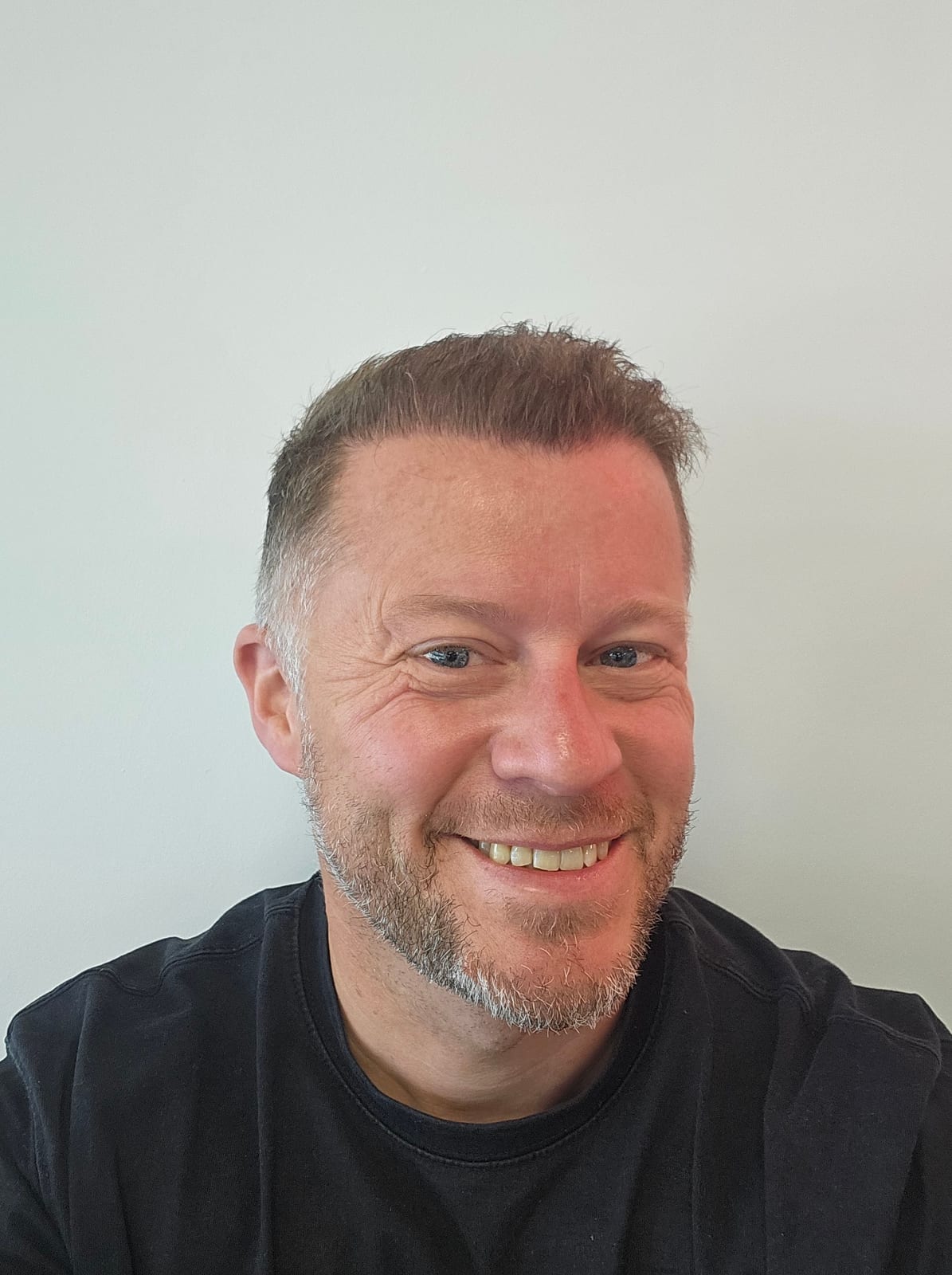
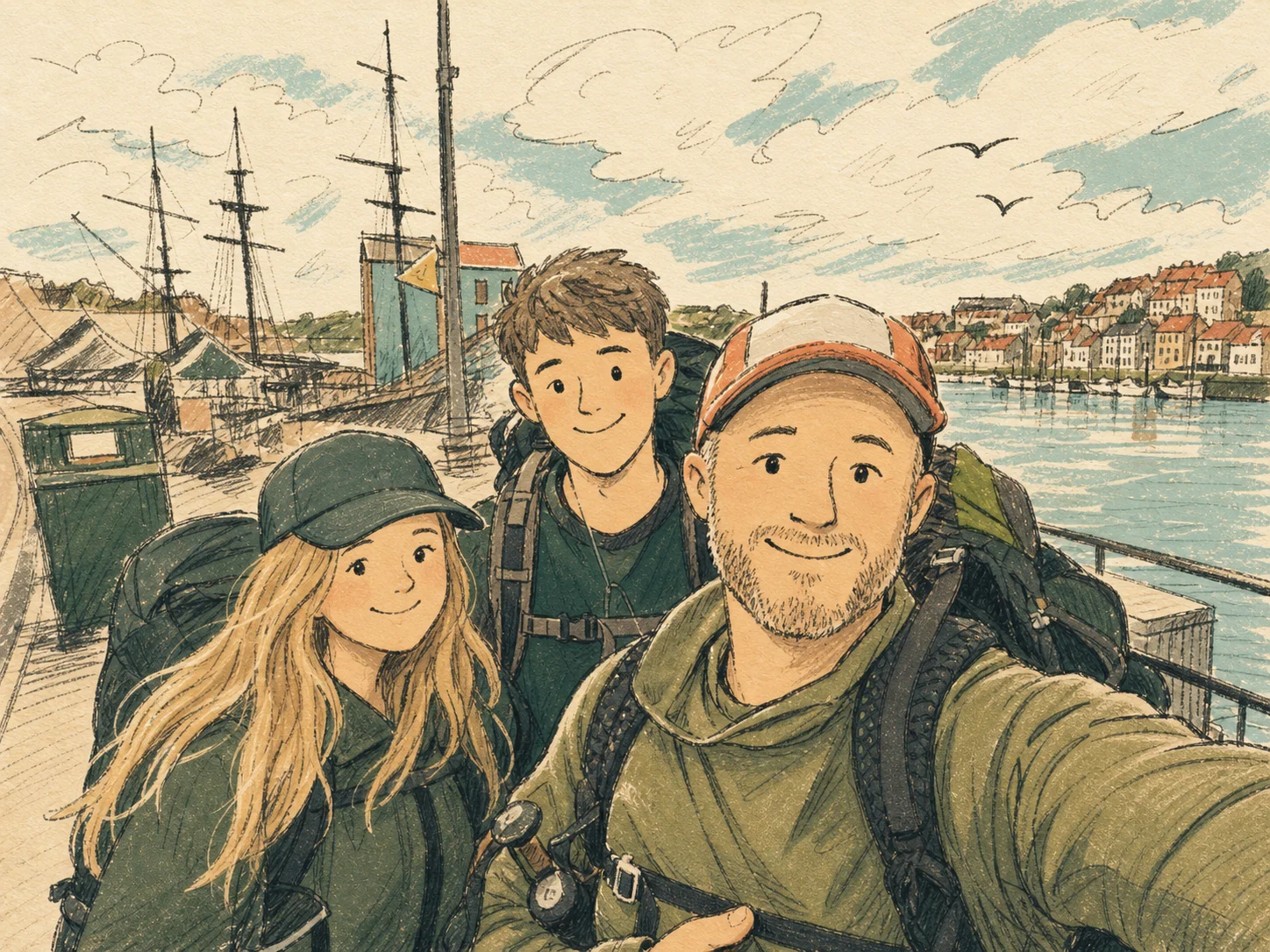
01 / MY STORY
I have always been fascinated by what technology makes possible.
Not technology for its own sake. The useful kind — the kind that removes friction, opens a door or gives somebody a better day.
My career has taken me from global technology organisations to starting companies of my own. Along the way I’ve led innovation projects, worked with brilliant people across sectors and learnt that progress rarely starts with the answer. Usually it starts with a better question — and the willingness to keep going when the route is not obvious.
Today, most of my energy sits where AI, care and public services meet. It’s complicated, important work. That is exactly why I enjoy it.
The documented version of this journey begins with 15 years in health technology and a community nurse team in Manchester. The personal version begins with my family. Both led to the same place.Read the independent profile ↗
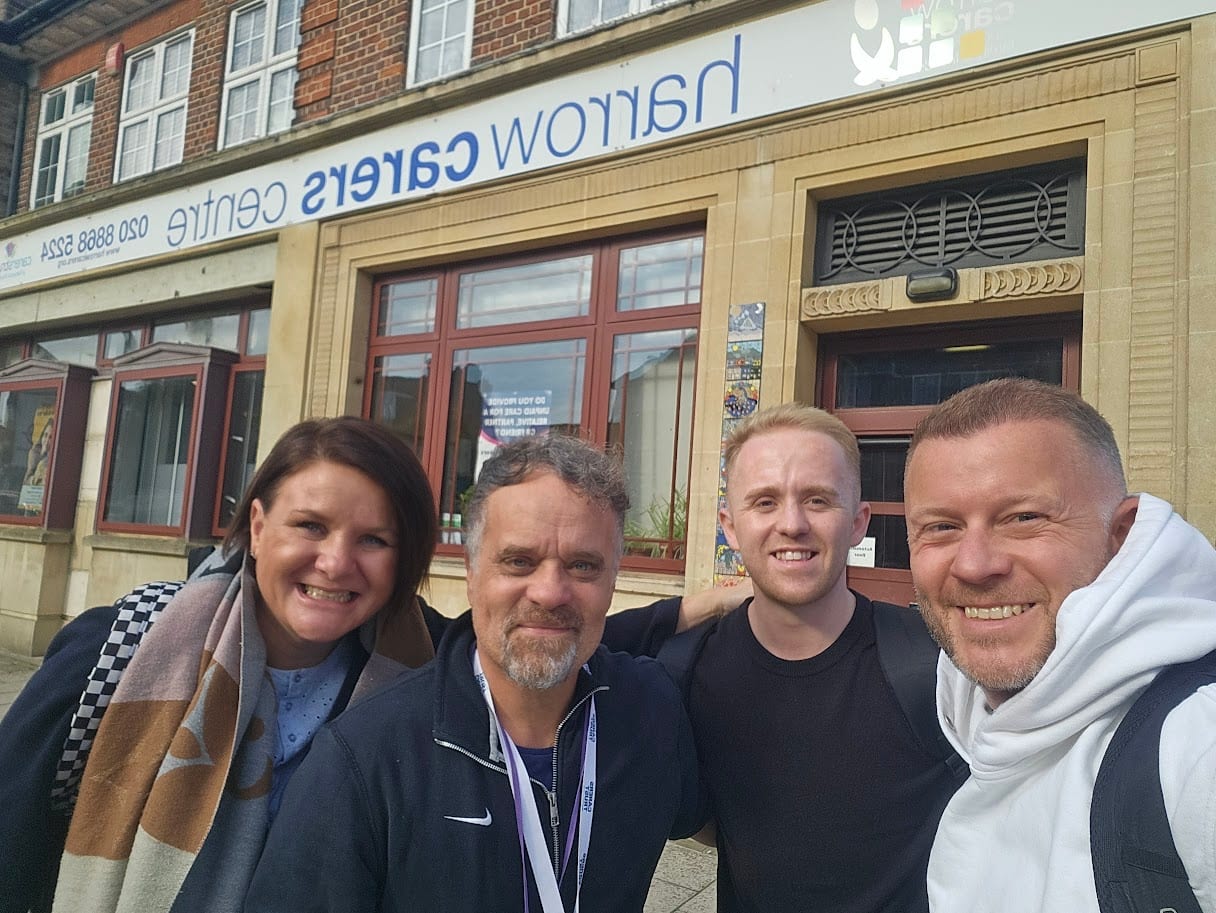 Real places. Real people. Real change.
03 / THE FOUNDER’S STORY
Bridgit began with a very practical question.
What if people could find the right support before life reached crisis point?
That question became Bridgit Care: technology designed around unpaid carers, local knowledge and the public services trying to help. The first spark was personal. My Grandad Doug had fallen at home and, without his alarm button, had to crawl to the door and shout for help. My mum Jacqueline was his primary carer. Their experience made the gap impossible to ignore.
The early Upstream idea was broad preventative care. In 2019 we made a deliberate pivot: stop adding to the catalogue of tools for clinicians and focus on the millions of family carers holding care together every day. That decision became Bridgit.
Across the ventures and programmes I have led, I have raised more than £1 million in innovation funding — including a documented SBRI Phase 2 award of nearly £700,000. I’m proud of the number, but prouder of what it represents: other people backing ideas with the potential to improve lives.
By 2025, Bridgit had grown as large as we had originally planned. The strategic partnership with Carers Trust became the next key decision point. It moved the question from “how much more revenue can we grow?” to “how much more impact can local carer charities create if the cost of delivering support comes down?”